
1Introduction
The proliferation of hate speech, disinformation, and misinformation across social media and other communication channels within Myanmar exacerbates racial, religious, and political tensions, thereby intensifying conflicts within society
This report systematically monitors hate speech in Myanmar during May 2026. The aims of monitoring hate speech and misinformation are to document patterns of dissemination, identify vulnerable social groups, and assess potential impacts on specific groups.
This study examines the prevalence of incitement to violence and hate speech across major digital and social media platforms, including Facebook, TikTok, and Telegram. The spread of hate speech, misinformation and disinformation on social media and other various communication channels in Myanmar exacerbates ethnic, religious, and political tensions, fueling communal conflict.
By outlining the evolving trends of hate speech throughout May, in the current political, economic, and social landscape of Myanmar, this study aims to serve as a reference and technical and actionable resource to prevent hate speech, intended for use by peacebuilders, conflict resolution practitioners, media professionals, policymakers, and Civil Society Organisations (CSOs).
2Research Methodology
Hate speech is inherently rooted in emotional expression and subjective sentiment; it lacks a universally accepted definition. However, for this particular report, the Burma Human Rights Network (BHRN) defines hate speech as follows:
"Hate speech refers to any form of expression, verbal, written, behavioural, or artistic, that targets a specific individual or group to express severe criticism, condemnation, or to incite hostility and hatred based on protected characteristics. This includes attacks on fundamental rights and identity, such as religion, language, gender, sexual orientation, citizenship, ethnicity, skin colour, beliefs, or physical appearance."
Based on the findings of this study, hate speech is further categorised into the following types:
- Criminalisation: Portraying specific groups as inherent criminals or "sinners."
- Dehumanisation: Stripping individuals of their human qualities or dignity.
- Oppressive Speech: Language used to exert dominance over or bully marginalised groups.
- Incitement: Direct calls for violence, riots, or civil unrest.
- Existential Threat: Characterising specific groups as a fundamental threat to the existence of others.
- Glorification: The celebration or promotion of acts of violence and hatred.
Recorded data includes several key metrics, such as the date of publication, the author’s name, the social media platform used, the content's reach, the target groups, the category of hate speech, and the primary terminology used.
In our documentation process, "hate speech" is strictly defined as content targeting groups with protected characteristics. This includes speech intentionally designed to incite hatred or hostility based on Religion, Race, Ethnicity, or Tribal affiliation, Gender Identity and sexual orientation, skin colour, and Nationality.
Conversely, derogatory language directed at groups that do not fall under protected status is not classified as hate speech within this framework. This includes criticisms directed at Armed organisations and insurgent groups, Political leadership and governing bodies (e.g., NUG, KNU, KIO), and Military officials and personnel.
In the context of Myanmar’s ongoing political and military tensions, BHRN continuously monitors and documents hate speech disseminated by the military and its associated propaganda channels.
1Data Collection
Monitored Platforms: Data is gathered from Facebook, TikTok, and Telegram channels.
Content Categories:
- Hate speech related to ethnicity, religion, politics, and gender.
- Content inciting violence and discrimination.
- Harmful misinformation and inciting posts
2Data Approach
- Manual Monitoring: Members of the Hate Speech Monitoring Team of the organization systematically review and verify specific keywords, phrases, images, and videos to ensure a high level of accuracy in documentation.
3Data Analysis
- Thematic Classification: Content is grouped into specific themes—such as ethnicity, religion, and politics to identify recurring patterns of targeting.
- Spread Measurement: Engagement (likes, shares, comments) and reach on social media platforms are measured.
- Identification of Key Perpetrators: The study identifies specific groups and individuals responsible for disseminating hate speech, while assessing their level of influence and broader social impact.
4Ethical Considerations
- Data Confidentiality: All monitored and documented information is stored securely. BHRN adheres to a strict policy that prohibits the disclosure of data to the public or unauthorised individuals.
5Limitations
- Platform Coverage: It is not possible to comprehensively monitor all social media platforms
- Encryption Challenges: Some online activities occur on encrypted communication platforms, which pose significant challenges for effective tracking and monitoring.
- Authenticity and Impact: The prevalence of fake accounts and bots complicates assessing the genuine social impact accurately
- Internet Restriction: The research team faces challenges in monitoring the hate speech dissemination regularly due to restrictions on internet access, and some posts disappear after being posted.
3Monitoring Activities
This report was compiled by monitoring online and print media used by the military junta and its supporters to disseminate hate speech. During May 2026, BHRN conducted a monitoring exercise with the following results:
- Facebook: monitored 3 groups, one page, and 13 accounts; identified 43 incidents of hate speech.
- Telegram: Monitored 24 Channels; identified 31 incidents of hate speech.
- TikTok: Monitored 24 Accounts; identified 26 incidents of hate speech.
- Print Media: Monitored 2 newspapers and 1 journal.
In total, 100 instances of misinformation/disinformation and hate speech were documented during May. The findings are presented using tables, graphs, and clear descriptive text. This report further analyses the root causes and impacts of hate speech and offers recommendations for prevention and mitigation. Due to significant limitations in achieving comprehensive coverage of the entire social media landscape, there may be undocumented incidents of hate speech that fall outside the scope of this report.
Key Findings
1Targeted Groups
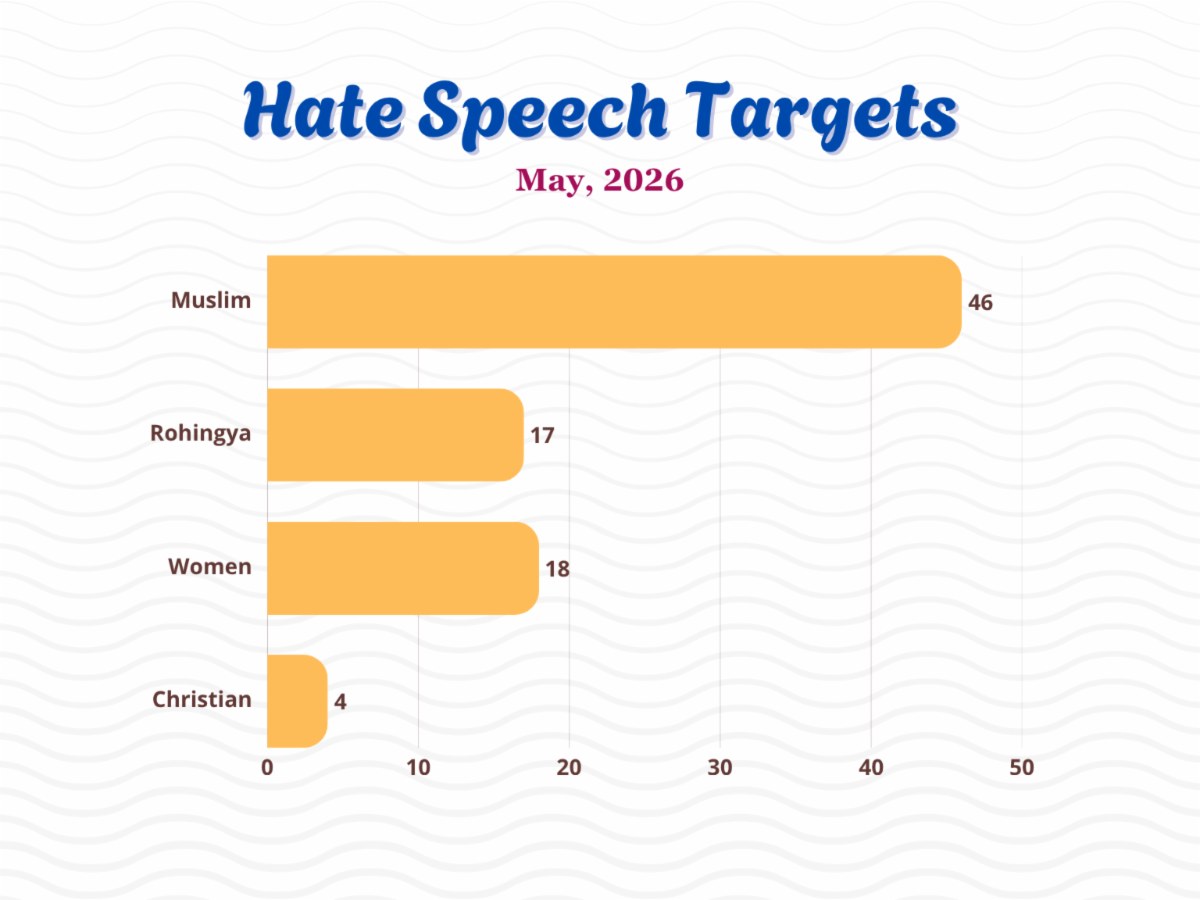
- Religious and Ethnic Minorities: Racial persecution of the Rohingya persists through false allegations labelling them as "illegal immigrants from Bangladesh."
- Similarly, the broader Muslim community is targeted with religious insults and derogatory slurs, such as "Kalar" and "Pork-abstainers" (Whet-ma-sar), intended to dehumanise and demean.
- Women: Hate speech targeting women frequently employs dehumanising language, sexual harassment, and the exposure of personal information to damage their reputations and social standing.
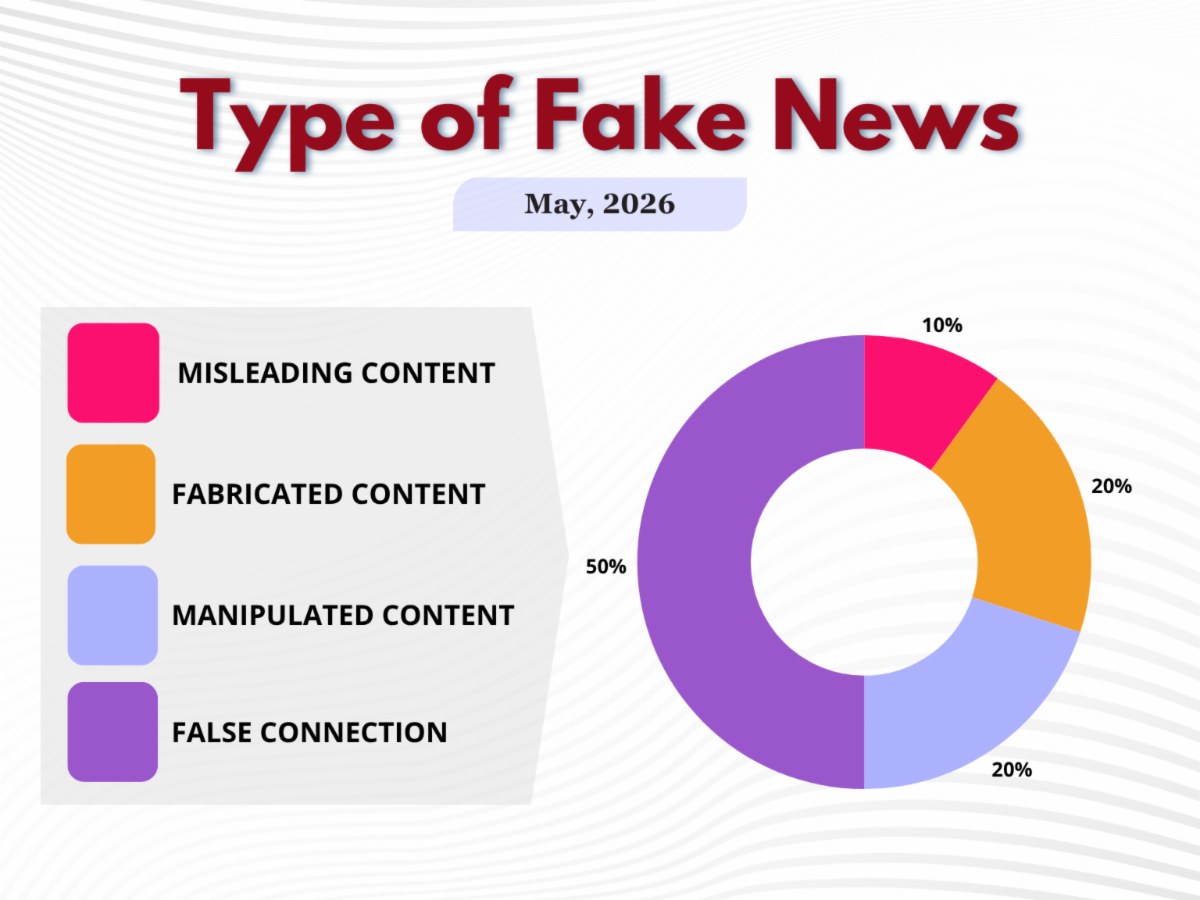
- Disinformation and Misinformation: Fabricated narratives and false reporting are utilised to portray crimes committed by the military junta as having been perpetrated by Ethnic Armed Organisations (EAOs) and People's Defence Forces (PDFs), thereby falsely deflecting blame onto resistance groups.
2Methods of Disseminating Hate Speech and Disinformation
- Hate speech targeting Muslims and Rohingya people is disseminated across social media platforms such as Facebook, TikTok, and Telegram in various formats, including posts, videos, and cartoons, promoting ethnic, religious, and political hatred.
- The deliberate spread of fabricated news to create suspicion among the general public.
3Impacts
The prevalence of these campaigns has led to significant societal consequences:
- Threats to Safety and Dignity: Beyond the psychological impact of online harassment, women and activists face severe threats to their physical safety and personal dignity.
- Obstruction of Peacebuilding: The persistent fueling of racial and religious hatred serves as a major barrier to peacebuilding efforts and a stable democratic transition in Myanmar.
- Erosion of Public Trust in Resistance Forces: The dissemination of such narratives fosters public suspicion and fuels growing animosity toward Ethnic Armed Organizations (EAOs) and members of the People's Defense Forces (PDFs).
4Findings
Hate Speech Against Muslims
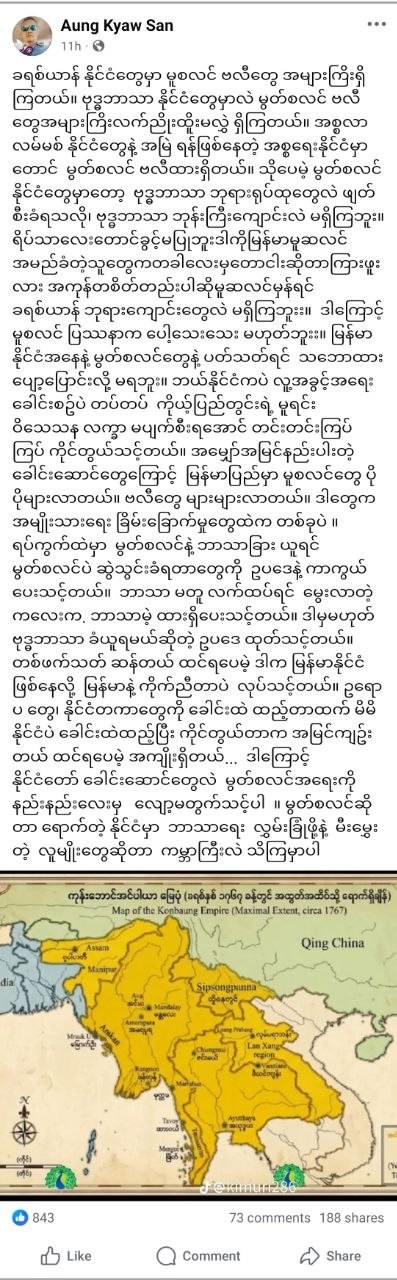
A Facebook account named Aung Kyaw San disseminated hate speech via Facebook, asserting that while Buddhist and Christian countries accommodate Islamic structures, Islamic nations prohibit the establishment of places of worship for other faiths. The post further stated that the Myanmar government must not adopt a lenient stance regarding Muslim affairs, while simultaneously projecting Muslims as extremists to incite religious animosity.
(See the translation of the attached link below the conclusion (1))
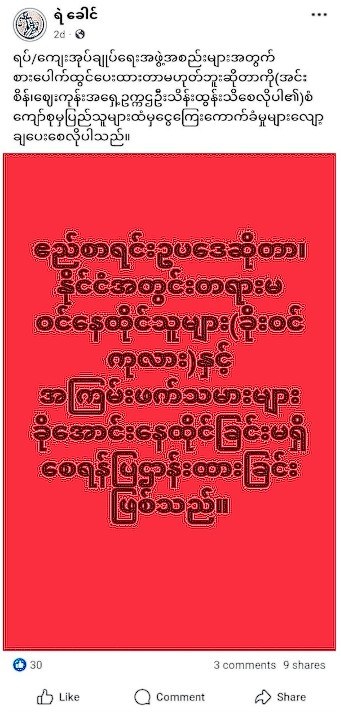
Against the backdrop of Myanmar's nearly eight-decade-long civil war, a Facebook account named Ye Khaung disseminated hate speech by weaponizing the context of the reactivated Overnight Guest Registration Law, a measure officially reinstated under the pretext of community peace and security. While highlighting the extortionate fees levied by village administration members during the guest registration process, the user employed derogatory and mocking language targeting the Muslim community, falsely characterising them as violent threats to incite hatred.
(See the translation of the attached link below the conclusion (2))
A Facebook account named Momiji Momiji disseminated hate speech targeting the Muslim community, weaponising an incident where Rohingya volunteer teachers were providing tuition to Rohingya children in Nwe Aye Ward, Dawbon Township, Yangon Region. The account falsely accused Muslims of being undocumented individuals and issued threatening remarks calling for the arrest and prosecution of local Islamic religious teachers.
(See the translation of the attached link below the conclusion (3))

A Facebook account named Darling Mg exploited a personal misunderstanding between a Malaysia-based Myanmar Muslim TikTok influencer and a Myanmar actor-model to disseminate hate speech against the wider Muslim community. This online rhetoric effectively stereotyped Muslims as terrorists.
(See the translation of the attached link below the conclusion (4))
A TikTok account named Dr Mhaing, which consistently disseminates hate speech, published a post featuring a photograph welcoming a youth returning home after completing a mandatory two-year term under the military council's forced conscription law. The account weaponised this image to spread anti-Muslim rhetoric by drawing a parallel to the traditional Myanmar folktale Kyay Nyi Naung (The Two Brother Parrots). The account characterized conscripted youths as disciplined individuals while accusing People's Defence Force (PDF) members of committing acts of terrorism at the order of the Organisation of Islamic Cooperation (OIC), thereby falsely stereotyping Islam as an inherently violent faith.
(See the translation of the attached link below the conclusion (5))
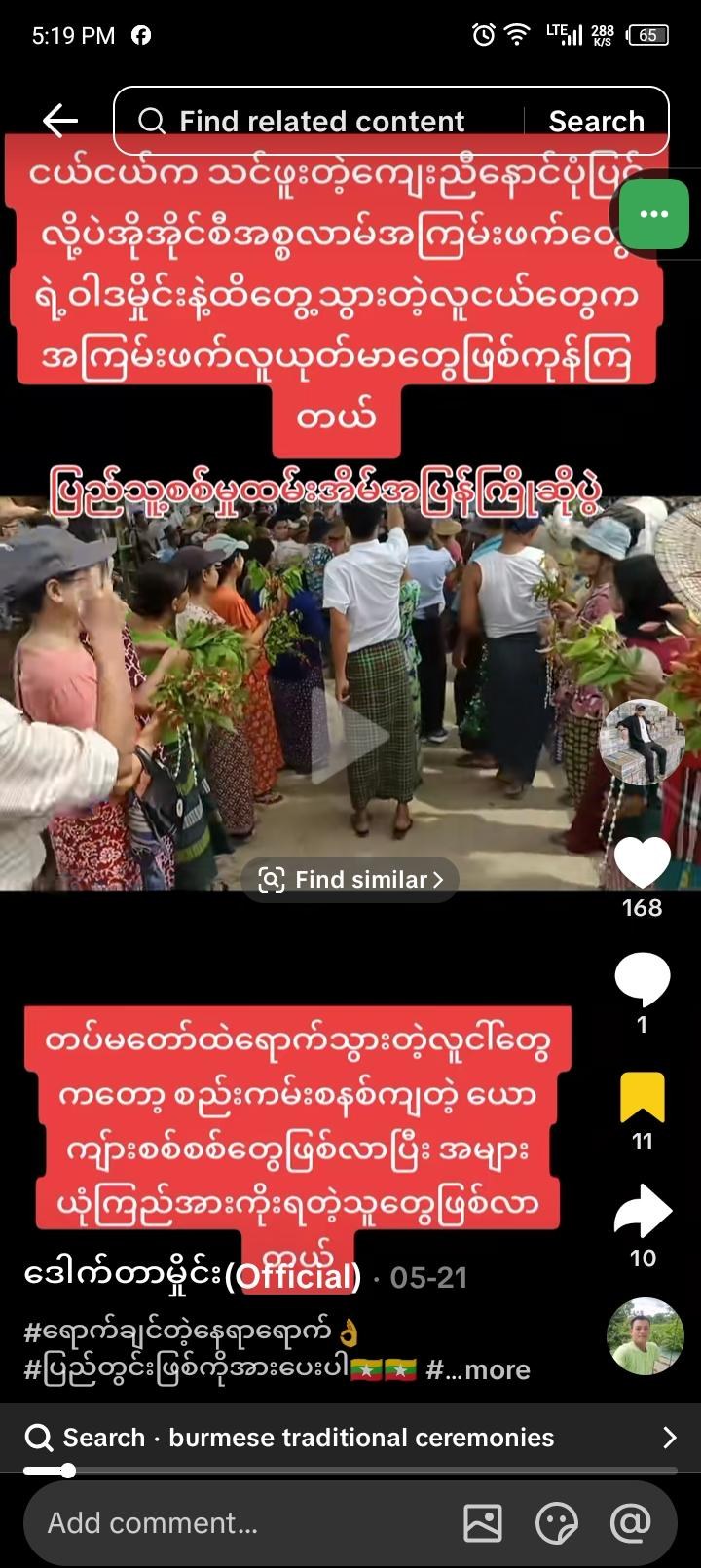
A TikTok account belonging to nationalist monk Pauk Ko Taw disseminated hate speech targeting the Muslim community, weaponizing a formal complaint regarding ongoing renovations at the Zay Mosque in Obo Ward, Aungmyethazan Township, Mandalay Region. By explicitly characterizing the mosque as an illegal structure, the monk’s rhetoric serves to incite potential violence and hostility.
(See the translation of the attached link below the conclusion (6))
Hate Speech targeting the Rohingya Community
A Singapore-based Facebook user, under the account name Melvin Moe, disseminated hate speech targeting the Rohingya community in response to a question regarding the physical appearance of Myanmar women. In his response, the person employed derogatory and mocking rhetoric directed at the Rohingya. He attempted to highlight the aesthetic qualities of Myanmar women by drawing a disparaging comparison to Rohingya individuals, framing them as stateless refugees whose physical appearance has been worn down by severe hardships, thereby weaponising their suffering to incite hatred.
(See the translation of the attached link below the conclusion (7))
A Facebook account named Ye Khaung disseminated hate speech claiming that the United States, the United Kingdom, and Japan are utilizing the pretext of Daw Aung San Suu Kyi to demand citizenship rights for the Rohingya. The account employed deeply dehumanising language and derogatory rhetoric targeted at the Rohingya community.
(See the translation of the attached link below the conclusion (8))
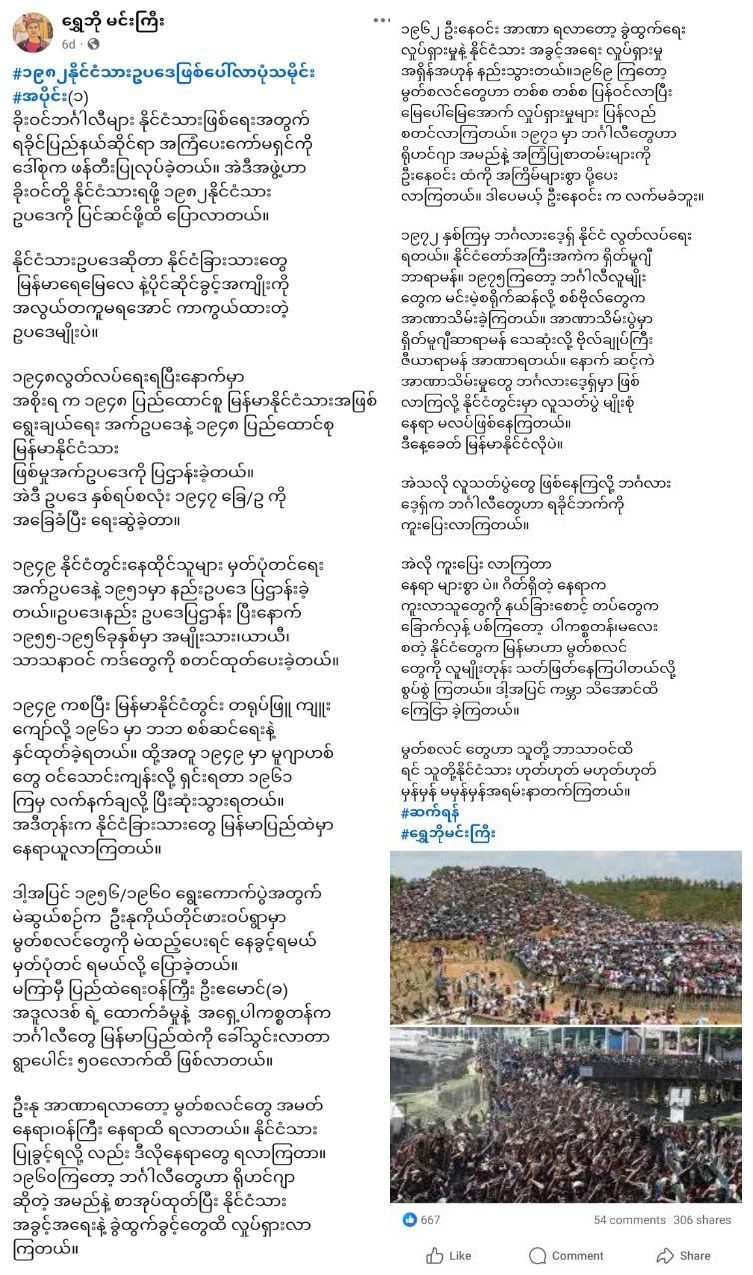
A Facebook account named Shwe Bo Min Gyi targeted the Rohingya community with hate speech, alleging that their demands for indigenous ethnic rights start from the Advisory Commission on Rakhine State. The account utilized derogatory and mocking language to demean the Rohingya, falsely characterising them as violent extremists.
(See the translation of the attached link below the conclusion (9))
A Facebook account named U Zaw Zaw disseminated hate speech targeting the Rohingya community by weaponising the aforementioned incident involving community education in Nwe Aye Ward, Dawbon Township. The person asserted that the citizenship documentation issued to local Rohingya residents should be revoked and re-examined, alongside an investigation into their entry into the country. This narrative casts suspicion on the legitimacy of Rohingya residents, serving to amplify prejudice and fuel systemic hatred against them.
(See the translation of the attached link below the conclusion (10))
Hate Speech targeting the Christian Community
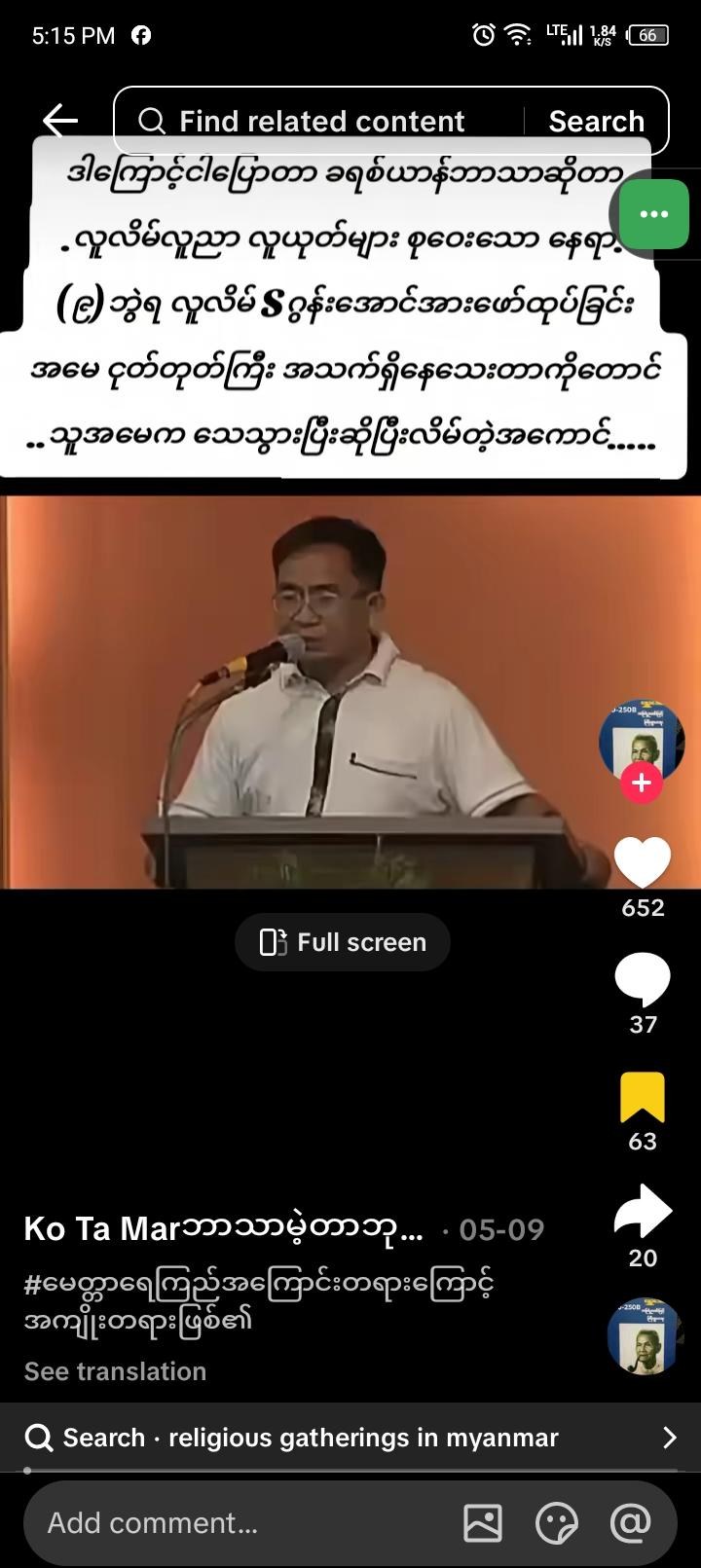
A TikTok account under the name Ko Ta Mar disseminated hate speech targeting the Christian community by sharing a video of a Christian minister preaching. In his re-shared post, the account employed highly derogatory and mocking language to mischaracterise Christianity as a faith built entirely on deception, while simultaneously framing Christians as violent actors to incite religious animosity.
(See the translation of the attached link below the conclusion (11))
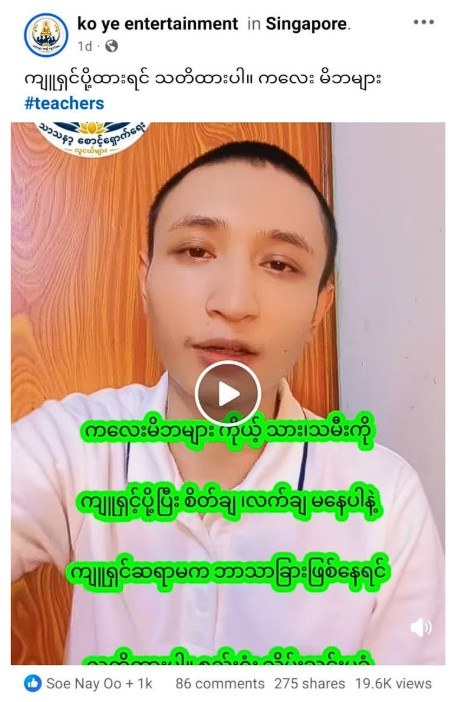
Within the context of Myanmar's education system, the majority of students rely heavily on private supplementary tutoring (commonly known as kyu-shin), a Facebook page named Ko Ye Entertainment disseminated hate speech targeting Christian educators. The page urged parents and students to vet private tutors beforehand to ensure they are not of a different faith. It explicitly warned against hiring Christian teachers, claiming that they introduce religious hymns into tuition classes and compel students to sing them, thereby falsely stereotyping Christians as predatory religious proselytisers.
Original Post Ko Ye entertainment
(See the translation of the attached link below the conclusion (12))
Hate Speech Against Women
A Telegram channel named Naing Soe and Relatives (နိုင်စိုးနှင့်အမျိုးများ) disseminated misogynistic hate speech and sexually abusive rhetoric targeting women participating in the anti-dictatorship resistance movement. The channel's publications utilised deeply degrading and mocking language, falsely characterising these female activists as sexual slaves to undermine their dignity and incite hatred against them.
Original Post နိုင်စိုး နှင့် အမျိုးများ
(See the translation of the attached link below the conclusion (13))
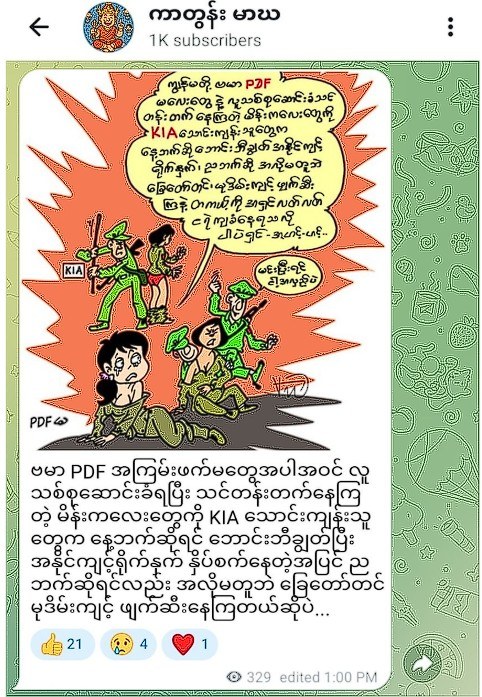
A Telegram channel named Cartoon Magha disseminated hate speech targeting female members of the People's Defence Force (PDF) who are undergoing training with the Kachin Independence Army (KIA). The channel published illustrative cartoons alleging that these women are being subjected to sexual assault and torture by KIA leadership, thereby severely assaulting the dignity of the female personnel. This visual rhetoric not only falsely portrays female resistance fighters as violent actors but also acts as a catalyst to incite ethnic conflict between the Bamar and Kachin communities.
(See the translation of the attached link below the conclusion (14))
The Telegram channel Naing Soe and Relatives (နိုင်စိုးနှင့်အမျိုးများ) shared a video clip depicting the disciplinary punishment of female People's Defence Force (PDF) members for violating military regulations, weaponising the footage to spread misogynistic hate speech. The channel accompanied the video with derogatory, mocking verses that falsely characterised them as sexual slaves.
Original Post နိုင်စိုးနှင့် အမျိုးများ
(See the translation of the attached link below the conclusion (15))
The Telegram channel Mhaing Wai (မှိုင်းဝေ) disseminated hate speech targeting female members of the Chinland Defense Force (CDF) by weaponizing a photograph of them in a military training exercise. The channel utilised deeply mocking and derogatory rhetoric to dehumanize these female Chin resistance members and degrade their dignity.
(See the translation of the attached link below the conclusion (16))
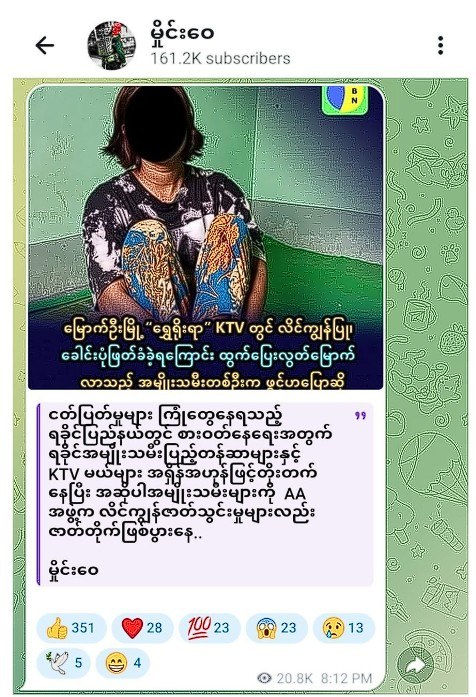
The Telegram channel Mhaing Wai (မှိုင်းဝေ) disseminated hate speech alleging that women in Rakhine State are engaging in sex work as a direct consequence of severe famine. In an attempt to portray the United League of Arakan / Arakan Army (ULA/AA) as solely responsible for causing a catastrophic famine in the region, the channel weaponized and mocked vulnerable women by falsely characterising them as sexual slaves.
(See the translation of the attached link below the conclusion (17))
Dissemination of Misinformation and Disinformation
The Telegram channel named Naypyitaw disseminated a fabricated news report alleging that the killing of two Buddhist monks, including the abbot of a local monastery in Shan Htoo Village, Chaung-U Township, Pakokku District, Magway Region, was carried out by Muslim members of the People's Defense Force (PDF). This manufactured narrative aims to demean the reputation of the anti-dictatorship resistance movement while simultaneously directing dangerous hate speech toward the Muslim community to stoke intercommunal conflict.
(See the translation of the attached link below the conclusion (18))

The Telegram channel named U Kyaw Soe Oo disseminated a fabricated news report claiming that members of the People’s Defense Force (PDF) executed the family members of pro-military militia personnel stationed in the Thayet Kan Pyithu Sit (militia) village, Myaing Township, Magway Region. This narrative was deliberately structured to mislead the public, damage the reputation of the resistance forces, and incite animosity against them.
(See the translation of the attached link below the conclusion (19))

The pro-military Telegram channel Truth Media disseminated unvetted propaganda regarding an incident in Pruso District, Kayah State, claiming that the military regime's forces destroyed a People’s Defense Force (PDF) outpost, when in reality they had torched and destroyed an IDP camp. The channel deliberately manipulated factual connections to obscure the assault on the IDP camp, utilizing deceptive framing to shield the military.
(See the translation of the attached link below the conclusion (20))
5The figure illustrating types of hate speech

6The figure illustrating the number of hate speech targets
7Keywords used by hate speech writers

8The figure illustrating types of fake news
9Distribution by Platform

10Conclusion
During May, the dissemination of hate speech in Myanmar intensified alongside escalating armed conflicts. Social media platforms, particularly Telegram and Facebook, saw a sharp rise in religious, ethnic, and political instigations.
Exploiting the ongoing clashes in Rakhine State, disinformation and hateful rhetoric rapidly spread, designed to deepen anxieties and historical animosities between the Rakhine and Rohingya/Muslim communities. Concurrently, there was a heavy concentration of targeted verbal attacks and malicious rumours engineered to foster mutual suspicion among civilian populations.
Furthermore, the Kachin Independence Army (KIA) and the Chinland Defense Force (CDF) were used as focal points; there was a consistent pattern of targeting predominantly Christian regions. This involved launching nationalist, extremist attacks and weaponizing religious-based instigations to create divisions. Armed actors and internet users continuously defamed and made direct accusations linking church buildings, religious structures, and religious leaders to the ongoing armed conflicts.
Translations of the documented posts
The posts below are hate speech documented by BHRN. They are translated here only as evidence for this report.
Translation (1)
Caption
Christian countries have numerous Muslim mosques. Similarly, in Buddhist countries, mosques can be found everywhere. Even in Israel, which is in perpetual conflict with Islamic nations, Muslim mosques exist. But in Muslim-majority countries, Buddhist statues are destroyed, and Buddhist monasteries are nonexistent. They do not tolerate even a small meditation centre. Have you ever heard those claiming to be 'Myanmar Muslims' voice any objection to this? They are all of one mind. Christian churches are not permitted either. Therefore, the Muslim issue is not minor. Myanmar cannot afford to soften its stance regarding Muslims. Regardless of which international community lectures us under the banner of 'human rights,' we must handle this strictly to ensure that our nation's original identity is preserved.
Due to short-sighted leadership, the Muslim population in Myanmar has steadily increased, and mosques are multiplying. This is a direct threat to our national identity and security.
In local communities, when a Muslim marries an individual of a different faith, the non-Muslim partner is pressured into converting to Islam; this practice should be legally prohibited. If an interfaith marriage occurs, the children should either grow up as atheists or be required to adopt Buddhism under law.
While this may appear one-sided, this is Myanmar, and we must implement measures tailored to Myanmar's interests. Prioritising our own country over European or international standards may seem narrow-minded, but it is ultimately beneficial. Therefore, state leaders must not underestimate the Muslim issue. The world is well aware that they are a people who attempt to establish religious dominance wherever they settle.
Translation (2)
Caption
"Be informed that these regulations are not created to make illicit profit-making opportunities for ward and village administrative committees (specifically, be informed to U Thein Tun, Chairman of Zay Kone East, Insein). We need a reduction in the monetary collections levied on the public in the San Kyaw Su."
Main Image Text
"The Guest Registration Law is enacted to prevent illegal residents (illegal Bangalis) and terrorists from seeking refuge within the country."
Translation (3)
Caption
To:
The Chief Minister
Yangon Region Government
Who assumed responsibility and facilitated the transport of these illegal immigrants into the area of Yangon?
All associated Mawlawis and religious leaders must be arrested and prosecuted.
If legal action is taken to apprehend people and handled solely under basic immigration laws—
without executing thorough, decisive, and rigorous judicial prosecution from start to finish—
Translation (4)
Caption
Since you chose Kalars, you have to endure even if you face rape. After that, she even came out publicly to offer a clarification as if nothing had happened.
Translation (5)
Just like the traditional fable of the two brother parrots we learned in our childhood, young people who are exposed to the ideological brainwashing of ISIS Islamic terrorists ultimately turn into wicked terrorists themselves.
The youth who join the military [Tatmadaw] transform into disciplined, true men, becoming individuals whom the public can widely trust and rely upon."
Translation (6)
Illegal mosque and Phoe Chit,
Aung Zeya,
Selective enforcement of the People's Military Service Law.
Translation (7)
While an old man said, The women from your country are quite ugly,' I instantly got angry.
I said, 'The girls in our country possess natural beauty... it is not beauty achieved through plastic surgery. Do you even understand the concept of natural beauty?'
He responded, 'That's not what I meant; let me show you,' and began intensely scrolling through his phone.
He thrust his screen forward, saying, 'Look at this!' It turned out to be photos of a group of dishevelled people staring open-mouthed at a traditional male lead actor.
I calmed down a bit and asked, 'Do you know who the Rohingya are?'
He replied, 'Aren't they the boat refugees? Yes, I know them.'
I told him, 'Exactly. They are of a far lower standard than that, much more ragged and impoverished. We do not have women who look like that in our country; Myanmar women are all naturally beautiful.'
I couldn't help it; I simply cannot tolerate anyone claiming that Myanmar women are ugly."
Translation (8)
The true stance of the UN, US, and Japan...
Let me make this clear: Daw Su simply attempted to hang a goat's head to sell Bengali dog meat under the label of 'Rohingya.
Translation (9)
Daw Aung San Suu Kyi created the Advisory Commission on Rakhine State to facilitate citizenship for illegal Bengalis. This group even went so far as to advocate for the amendment of the 1982 Citizenship Law to ensure these illegal immigrants could attain citizenship status.
A citizenship law is designed to safeguard national sovereignty and prevent foreigners from easily acquiring rights and ownership over Myanmar's land, waters, and airspace.
Following independence in 1948, the government enacted the 1948 Union of Burma Citizenship (Election) Act and the 1948 Union of Burma Citizenship Act. Both pieces of legislation were drafted based on the foundations of the 1947 Constitution.
In 1949, the Registration of National Residents Act was introduced, with its corresponding rules and regulations enacted in 1951. Following that, the issuance of National Registration Cards (NRCs) and temporary IDs, and religious IDs commenced around 1955–1956.
Beginning in 1949, Myanmar faced an invasion by Chinese Nationalist (KMT/White Chinese) forces, who were expelled in 1961 through the BaBa military operation. Concurrently, in 1949, Mujahideen insurgents launched a rebellion and surrendered in 1961. During this volatile period, foreigners increasingly occupied territories within Myanmar.
Furthermore, during the election campaigns of 1956 and 1960, Prime Minister U Nu himself stated at Phar Wat village that if Muslims voted for his party, they would be granted registration cards. Shortly thereafter, with the endorsement of Minister of Home Affairs U Aye Maung (a.k.a. Abdu Lazid), Bengalis from East Pakistan were brought into Myanmar, eventually establishing up to 50 villages.
Once U Nu assumed office, Muslims secured parliamentary seats and even ministerial positions. This was because they had been granted citizenship. By 1960, these Bengalis published literature under the name 'Rohingya' and began actively mobilising to demand full citizenship rights and even the right to secede.
Translation (10)
Caption
It is time to re-examine whether the identity cards held by these illegal Bengalis are actually legitimate or not.
When we, the genuine, indigenous citizens of this country, apply for a national identity card, we are required to fully document our complete parental lineage on a massive application form. Even then, our parents' citizenship status must undergo rigorous verification. If one's parents happen to be from different townships, the administrative correspondence mailing back and forth between those districts alone takes nearly a month.
Even if you go on the appointment date, you frequently find that the officer-in-charge is absent or away at a meeting. Regarding the recent Nwe Aye incident, how exactly are the authorities verifying that the cards held by these Bengalis are authentic? Are they actually double-checking the validity of their household registries, supporting documents, and applications? They are being labelled as internally displaced persons (IDPs), but exactly what date and time did they arrive in Yangon?
Is there any concrete evidence that the relevant authorities were notified of their arrival? Who took accountability and facilitated their transport into Yangon? They clearly arrived gathered together in a large, concentrated group because an organiser assumed responsibility for bringing them.
Because this impacts national security and state affairs, all departmental and administrative officials must be vigilant and execute their duties with absolute honesty.
Translation (11)
That's why I say Christianity is a gathering place for liars, frauds, and vile people. Exposing a nine-degree graduated Gone Aung. He lied that his mother had already passed away, even though she is still alive..."
Translation (12)
Caption
Parents, do not let your guard down or feel entirely at ease after sending your children to tuition.
If the tuition teacher belongs to a different religion, be cautious.
Translation (13)
Caption
Because there are far too many eccentric fools and shameless people in the village, if the government were to fence in and exhibit these people, alongside the 'Kalar-kone' those who post nonsense online, and individuals like the wicked woman or the 'vulgar legends' who insist on taking the stage despite being unable to sing, it would substantially boost national revenue and might unexpectedly even achieve global notoriety."
Translation (14)
Main Caption Text
"It is reported that female Bamar PDF terrorists, along with other young women who were recruited and are currently undergoing training, are being abused by KIA insurgents. During the day, they are stripped of their trousers, beaten, and tortured. At night, they are sexually assaulted and violated against their will under the mosquito net.
Translation (15)
Work for Revolution
In days, they are tortured by long sticks
At night, they are tortured by short and dark sticks in the mosquito net
Translation (16)
Caption
The CNO’s Treasurer urges the public to uphold the legacy of martyred women and highlights the gender equality on the battlefield…
Post below the caption
Now that their male fighters have been depleted, the Chin insurgents are turning to women….
Translation (17)
Caption
In Rakhine State, currently experiencing widespread starvation, the number of Rakhine female sex workers and KTV hostesses is rising for their survival. The AA is also systematically and continuously forcing these women into sexual slavery…
Translation (18)
Chaung U PDF
It has been reported that on the 28th, two Buddhist monks, including the abbot of the monastery in Shan Htoo Village, Chaung U Township, were allegedly killed by masked Muslim PDF groups for assisting with monastery-related matters.
It was also reported that two people were seized from a ward in Chaung U town and are believed to have been killed.
Additionally, today, near the toll gate on the outskirts of Chaung U town, beyond the Pakokku road junction, seven unidentified bodies were reportedly found piled together. Local residents said that the identities of the deceased and the villages they came from have not yet been determined.
Translation (19)
When Thayetkan village in Myaing Township was captured, only the elderly residents remained.
The PDF then brutally massacred the parents of those militia members.
These are utterly unforgivable acts.
Translation (20)
Hpruso PDF camp.
Hpruso KNDF camp.
Crushed, burned, and roasted.
About BHRN
Burma Human Rights Network (BHRN) is based in London, operates across Burma/Myanmar and works for human rights, minority rights and religious freedom in Burma. BHRN has played a crucial role in advocating for human rights and religious freedom with politicians and world leaders.
Media enquiries
၁နိဒါန်း
မြန်မာနိုင်ငံအတွင်း ဆိုရှယ်မီဒီယာနှင့် အခြားဆက်သွယ်ရေးလမ်းကြောင်းများပေါ်တွင် အမုန်းစကား (Hate Speech)များ၊ သတင်းတုသတင်းမှားများ ပျံ့နှံ့မှုသည် လူမျိုးရေး၊ ဘာသာရေးနှင့် နိုင်ငံရေးတင်းမာမှုများကို ပိုမိုအားကောင်းစေပြီး လူမှုအသိုင်းအဝိုင်းအတွင်း ပဋိပက္ခများမြင့်တက် လာစေနိုင်သည်။ ဤအစီရင်ခံစာသည် ၂၀၂၆ ခုနှစ်၊ မေလအတွင်း မြန်မာနိုင်ငံတွင် ဖြစ်ပေါ်ခဲ့သော အမုန်းစကားများကို စနစ်တကျ စောင့်ကြည့်လေ့လာကာ ၎င်းတို့၏ အဓိကအရင်းအမြစ်များ၊ ပျံ့နှံ့မှုပုံစံများ၊ ထိခိုက်နိုင်ခြေရှိသော လူမှုအုပ်စုများနှင့် ဖြစ်ပေါ်လာနိုင်သည့် သက်ရောက်မှုများကို ဆန်းစစ်ထားပါသည်။
ဤလေ့လာမှုတွင် ဖေ့စ်ဘုတ် (Facebook), TikTok, တယ်လီဂရမ် (Telegram) အပါအဝင် လူသုံးများသော ဆိုရှယ်မီဒီယာပလက်ဖောင်းများပေါ်ရှိ အကြမ်းဖက်မှုနှင့် လှုံ့ဆော်မှုဆိုင်ရာ အကြောင်းအရာများ၊ လူမျိုးရေး နှင့် ဘာသာရေး အခြေပြု စော်ကားမှုများ၊ နိုင်ငံရေးအရ ပြင်းထန်သော ဝေဖန်မှုများကို အဓိကထား လေ့လာထားပါသည်။ ထို့အပြင် ဤမုန်းတီးရေးစကားဝိုင်းများကို တားဆီး ကာကွယ်ရန် လိုအပ်သော နည်းပညာဆိုင်ရာနှင့် လူမှုအသိုင်းအဝိုင်းဆိုင်ရာ ဖြေရှင်းနည်းများကိုလည်း အကြံပြုထားပါသည်။
မေလအတွင်း မြန်မာနိုင်ငံ၏ လက်ရှိနိုင်ငံရေး၊ စီးပွားရေးနှင့် လူမှုရေး အခြေအနေများနှင့် ဆက်စပ်ကာ အမုန်းစကားများ ပြောင်းလဲလာပုံကို ဤအစီရင်ခံစာတွင် ဖော်ပြထားပါသည်။ ဤအချက်အလက်များသည် ငြိမ်းချမ်းရေး တည်ဆောက်သူများ၊ မီဒီယာလုပ်သားများ၊ မူဝါဒချမှတ်သူများနှင့် အရပ်ဘက်လူမှုအဖွဲ့အစည်းများအတွက် အသုံးဝင်သော ကိုးကားချက်တစ်ခု ဖြစ်စေရန် ရည်ရွယ်ပါသည်။
၂သုတေသနနည်းနာ
အမုန်းစကားသည် စိတ်ခံစားမှု အမုန်းတရားပေါ်မူတည်ပြီး ပေါ်ပေါက်လာသော စကားရပ်ဖြစ်သည့်အလျောက် အဓိပ္ပါယ်ဖွင့်ဆိုရန် ကျယ်ပြန့်ပြီး တိကျသောဖွင့်ဆိုချက်ဟူ၍ မရှိပေ။ သို့ဖြစ်ရာ ယခုအစီရင်ခံစာ၏ရည်ရွယ်ချက်အတွက် အမုန်းစကားဖွင့်ဆိုချက်ကို BHRN မှ အောက်ပါအတိုင်း သတ်မှတ်ထားသည်။
တစ်စုံတစ်ဦး သို့မဟုတ် အုပ်စုတစ်စုကို ရည်ရွယ်၍ လူတစ်ဦးကို အကာအကွယ်ပြုရမည့် ဝိသေသလက္ခဏာများကို ပြင်းထန်စွာ ဝေဖန်ခြင်း၊ ပြစ်တင်ခြင်း၊ ရန်လိုခြင်း၊ မုန်းတီးခြင်း၊ ခွဲခြားနှိမ့်ချဆက်ဆံမှုများကို ထုတ်ဖော်ပြောဆိုခြင်း၊ စာဖြင့်ရေးသားခြင်း၊ အမူအယာဖြင့် ဖော်ပြခြင်း၊ အနုပညာဖြင့် ဖော်ပြခြင်းတို့ကို ဆိုလိုသည်။
လူသားတစ်ဦး၏ ကိုးကွယ်မှု၊ ဘာသာစကား၊ လိင်၊ လိင်စိတ်ခံယူမှု၊ နိုင်ငံသားဇစ်မြစ်၊ တိုင်းရင်းသားဖြစ်မှု၊ အသားအရောင်၊ လူမျိုး၊ ယုံကြည်မှု၊ နိုင်ငံသားဖြစ်မှု၊ ရုပ်ပိုင်းဆိုင်ရာ အသွင်အပြင်များ စသည့် မွေးရာပါအခွင့်အရေးများကို ထိခိုက်ပြောဆိုခြင်းတို့ကိုဆိုလိုပါသည်။
လေ့လာမှုတွင် တွေ့ရှိသည့် အမုန်းစကားများကို အောက်ပါအတိုင်းပြန်လည်ခွဲခြားပါသည်။
- အပြစ်သားများအဖြစ် ပုံဖော်ရေးသားသည့် အမုန်းစကားများ၊
- နိုင့်ထက်စီးနင်းပြောဆိုသည့် အမုန်းစကားများ၊
- လူအဖြစ်မှ နှိမ့်ချဆက်ဆံသည့်အမုန်းစကားများ၊
- ဆူပူအကြမ်းဖက်မှုကို အားပေးသည့် အမုန်းစကားများ၊
- ခြိမ်းခြောက်မှုအဖြစ် ပုံဖော်ရေးသားသည့် အမုန်းစကားများ၊
- အကြမ်းဖက်မှုနှင့် အမုန်းစကားကြောင့် ကျူးလွန်သည့် လုပ်ရပ်များကို ဂုဏ်ယူစရာအဖြစ်ရေးသားသည့် အမုန်းစကားများ
စသည်တို့ဖြင့် အမျိူးအစားခွဲခြားထားပါသည်။
မှတ်တမ်းတင်ထားသော အချက်အလက်များတွင် အမုန်းစကားကို လူမှု့ကွန်ယက်စာမျက်နှာတွင် ရေးသားသည့် ရက်စွဲ၊ ရေးသားသူအမည်၊ အသုံးပြုသည့် လူမှု့ကွန်ယက်စာမျက်နှာ ပလက်ဖောင်း၊ reach၊ အမုန်းစကား ဦးတည်ပစ်မှတ်များ၊ အမုန်းစကားအမျိုးအစားများ၊ အမုန်းစကား အသုံးပြုထားသော အဓိက အသုံးအနှုန်းတို့ ပါဝင်သည်။
အမုန်းစကားများကို မှတ်တမ်းတင်ရာတွင် အကာကွယ်ပေးရမည့် ဝိသေသ လက္ခဏာရှိသော အုပ်စုများကို ပြောဆိုသည့် အမုန်းစကားများကိုသာ အမုန်းစကားအဖြစ် သတ်မှတ်ကာ မှတ်တမ်းတင်သည်။ ဥပမာ ဘာသာရေးအရ၊ လူမျိုးစု၊ တိုင်းရင်းသားများအရ၊ ကျားမ ဖြစ်တည်မှုအရ၊ လိင်စိတ်ခံယူမှုအရ၊ အသားအရောင်အရ၊ နိုင်ငံသားဖြစ်မှုအရ စသည့် ဖြစ်တည်မှုများကို ရည်ရွယ်ချက်ရှိစွာ မုန်းတီးစေရန် လှုံ့ဆော်သည့် အမုန်းစကားများကို အမုန်းစကားအဖြစ် သတ်မှတ်သည်။ အကာကွယ်ပေးရန် မလိုသည့် အုပ်စုများကို ပြောဆိုမှုအား အမုန်းစကားအဖြစ်မသတ်မှတ်ပေ။ ဥပမာ-လက်နက်ကိုင်အစုအဖွဲ့များ၊ နိုင်ငံရေး ဦးဆောင်အဖွဲ့အစည်းများ (NUG,KNU,KIO,etc)၊ စစ်တပ်နှင့်ပတ်သက်သည့်အရာရှိများ၊ စသည့် အစုအဖွဲ့များကို ပြောဆိုမှုအား အမုန်းစကားအဖြစ် မသတ်မှတ်ပေ။
BHRN သည် လက်ရှိမြန်မာနိုင်ငံတွင် ဖြစ်ပေါ်နေသည့် နိုင်ငံရေးစစ်ရေးတင်းမာမှုများ ဖြစ်ပေါ်နေချိန်တွင် စစ်တပ်နှင့် ၎င်း၏ဝါဒဖြန့်ချန်နယ်များမှဖြန့်ဝေနေသည့် သတင်းအကြောင်း အရာများတွင် ပါဝင်သည့် အမုန်းစကားအသုံးအနှုန်းများကို နေ့စဥ်လေ့လာစောင့်ကြည့် မှတ်တမ်းတင်ထားပါသည်။
၁ဒေတာစုဆောင်းခြင်း (Data Collection)
- စောင့်ကြည့်သည့်ပလက်ဖောင်းများ: Facebook, Tiktok, Telegram channel များမှ ဒေတာများစုဆောင်းခြင်း
- အကြောင်းအရာအမျိုးအစားများ:
- လူမျိုးရေး၊ ဘာသာရေး၊ နိုင်ငံရေးနှင့် လိင်နှင့်ဆိုင်သော မုန်းတီးရေးစကားများ
- အကြမ်းဖက်မှုနှင့် ခွဲခြားဆက်ဆံမှုကို လှုံ့ဆော်သည့် အကြောင်းအရာများ
- အန္တရာယ်ရှိသော မှားယွင်းသတင်းများ(Misinformation)နှင့် လှုံ့ဆော်မှုဆိုင်ရာပို့စ်များ
၂ဒေတာချဉ်းကပ်နည်း (Data Approach)
- စနစ်တကျစစ်ဆေးခြင်း (Manual Monitoring): အမုန်းစကားလေ့လာစောင့်ကြည့်ရေးအဖွဲ့ဝင်များက သတ်မှတ်ထားသော စကားစုများ၊ ပုံများနှင့် ဗီဒီယိုများကို စိစစ်ခြင်း။
၃ဒေတာခွဲခြမ်းစိတ်ဖြာခြင်း (Data Analysis)
- အကြောင်းအရာအလိုက်အမျိုးအစားခွဲခြားခြင်း:လူမျိုးရေး၊ ဘာသာရေး၊ နိုင်ငံရေး စသည့် အကြောင်းအရာများအလိုက် အုပ်စုဖွဲ့ခြင်း။
- ပျံ့နှံ့မှုအတိုင်းအတာ: ဆိုရှယ်မီဒီယာပေါ်ရှိ Engagement (Like, Share, Comment) နှင့် Reach ကို တိုင်းတာခြင်း။
- အဓိကထုတ်လုပ်သူများကို ဖော်ထုတ်ခြင်း: Hate speech ပြုလုပ်သည့် အဖွဲ့များ၊ လူပုဂ္ဂိုလ်များနှင့် ၎င်းတို့၏ လွှမ်းမိုးမှုအား ဆန်းစစ်ခြင်း။
၄။ ကျင့်ဝတ်ဆိုင်ရာစည်းမျဉ်းများ (Ethical Considerations)
- ဒေတာလျှို့ဝှက်မှု: စောင့်ကြည့်မှတ်တမ်းတင်ထားသော အချက်အလက်များကို အများပြည်သူနှင့် မသက်ဆိုင်သူများထံ မဖော်ပြဘဲ လုံခြုံစွာသိမ်းဆည်းခြင်း။
၅ကန့်သတ်ချက်များ (Limitations)
- အချို့သော အွန်လိုင်းလှုပ်ရှားမှုများသည် လျှို့ဝှက်ဆက်သွယ်မှုပလက်ဖောင်းများ (Encrypted Platforms) တွင် ဖြစ်ပေါ်နေပြီး စောင့်ကြည့်ရန်ခက်ခဲခြင်း။
- ဒေတာအတုအယောင်များ (Fake Accounts/Bots)ကြောင့် အမှန်တကယ်လူမှုသက်ရောက်မှုကို တိကျစွာ ခန့်မှန်းရခက်ခြင်း။
- လူမှုကွန်ယက်မီဒီယာတခုလုံးအား ခြုံငုံနိုင်အောင် စောင့်ကြည့်လေ့လာနိုင်မှုမရှိခြင်း။
- စစ်ကောင်စီမှ အင်တာနက်အသုံးပြုမှုကို လျှော့ချခဲ့သည့်အတွက် လေ့လာစောင့်ကြည့်ရာတွင် အကန့်သတ်များရှိခြင်း။
၃စောင့်ကြည့်လေ့လာမှုများ
အမုန်းစကားများ ဖြန့်ဝေရန်အတွက် စစ်အစိုးရနှင့် ထောက်ခံသူများ အသုံးပြုနေသည့် အွန်လိုင်းနှင့် ပုံနှိပ်မီဒီယာတို့ကို စောင့်ကြည့်ခြင်းဖြင့် ဤအစီရင်ခံစာကို စုစည်းထားပါသည်။ အထူးသဖြင့် BHRN သည် ၂၀၂၆ခုနှစ် မေလတွင် Facebook gp ၃ ခု Page ၁ ခု နှင့် Facebook အကောင့် ၁၃ ခု စောင့်ကြည့်မှုတွင် အမုန်းစကားတွေ့ရှိမှု ( ၄၃ ) ခု ၊ Telegram Channels 24 ခု မှ အမုန်းစကား တွေ့ရှိမှု ( ၃၁ ) ခု ၊ Tik Tok account ၂၄ ခုစောင့်ကြည့်ရာတွင် အမုန်းစကားတွေ့ရှိမှု ( ၂၆) ခုကို တွေ့ရှိခဲ့ရသည်။ ပုံနှိပ်မီဒီယာ စောင့်ကြည့်မှုအနေဖြင့် သတင်းစာ ၂ စောင် နှင့် ဂျာနယ် ၁ စောင် တို့ကို စောင့်ကြည့်ခဲ့ပါသည်။
မေလအတွင်း အမုန်းစကားလေ့လာစောင့်ကြည့်မှုတွင် သတင်းတု သတင်းမှားများ၊ အမုန်းစကားဖြန့်ဝေမှု (၁၀၀) ခုကို မှတ်တမ်းတင်ခဲ့သည်။ ရလဒ်များကို တင်ပြရာတွင် သုတေသနရလဒ်များကို ဇယားများ၊ ဂရပ်များနှင့် ရှင်းလင်းသော စာသားများဖြင့် တင်ပြမည်ဖြစ်သည်။ အမုန်းစကားများ၏ အဓိကအကြောင်းရင်းများ၊ သက်ရောက်မှုများနှင့် ကာကွယ် တားဆီးရန် နည်းလမ်းများကို အကြံပြုချက်များနှင့်အတူ တင်ပြမည်ဖြစ်သည်။ ဆိုရှယ်မီဒီယာတခုလုံးကို လွှမ်းခြုံနိုင်သည့် လေ့လာစောင့်ကြည့်မှုမျိုးကို လုပ်ဆောင်ရန်အတွက် အကန့်သတ်များစွာရှိသဖြင့် မှတ်တမ်းမတင်နိုင်သည့် အမုန်းစကားဖြစ်စဉ်များလည်း ရှိနိုင်ပါသည်။
အဓိက တွေ့ရှိချက်များ
1ပစ်မှတ်ထားခံရသော အုပ်စုများ
- အစ္စလာမ်ဘာသာဝင်များအား အစ္စလာမ်မစ်အကြမ်းဖက် ၊ ကုလား ၊ ဝက်မစား ကဲ့သို့သော အရေးအသားများရေးသား၍ ခွဲခြားနှိမ့်ချ ဘာသာရေးအရ စော်ကားရေးသားမှုများ ပြုလုပ်ခြင်း။
- ရိုဟင်ဂျာလူမျိုးများအား ဘင်္ဂလားဒေ့ရှ်မှ ခိုးဝင်သူများအဖြစ် “ ခိုးဝင်ဘင်္ဂလီ ” “ လူမျိုးလိမ် ” ဟူ၍ အပြစ်သားများ အဖြစ်ပုံဖော်ရေးသား စွပ်စွဲမှုများ ဆက်တိုက်ပြုလုပ်ရေးသား တိုက်ခိုက်မှုများ ။
- အမျိုးသမီးများအပေါ် ဦးတည်ပစ်မှတ်ထား ရေးသားကြသည့်အမုန်းစကားများတွင် လူအဖြစ်မှ နှိမ့်ချသုံးနှုန်းရေးသားထားမှုများ အပါအဝင် လိင်ပိုင်းဆိုင်ရာ စော်ကားခြင်း၊ ကိုယ်ရေးကိုယ်တာ အချက်အလက်များ ထုတ်ဖော်ခြင်းနှင့် ဂုဏ်သိက္ခာကျဆင်းစေသော စွပ်စွဲချက်များ ပြုလုပ်ခြင်း။
- သတင်းတု၊ သတင်းမှားရေးသားမှုများတွင် အကြမ်းဖက်စစ်အုပ်စုမှကျူးလွန်သည့် ပြစ်မှုများအား တိုင်းရင်းသားလက်နက်ကိုင်အဖွဲ့များနှင့် တော်လှန်ရေးဆင်နွှဲနေသည့် PDF အဖွဲ့မှ ကျူးလွန်သည့်ပုံဖော်၍ အပြစ်သားအဖြစ် စွပ်စွဲရေးသားမှုများ။
2အမုန်းစကား၊ သတင်းတုသတင်းမှားများ ဖြန့်ဝေသည့် နည်းလမ်းများ
- ဆိုရှယ်မီဒီယာ (Facebook, TikTok, Telegram) များပေါ်တွင် အစ္စလာမ်ဘာသာဝင်များနှင့် ရိုဟင်ဂျာလူမျိုးများအား လူမျိုးရေး၊ ဘာသာရေးနှင့် နိုင်ငံရေးဆိုင်ရာ အမုန်းစကားများအား ပို့စ်များ၊ ဗီဒီယိုများ၊ ကာတွန်းများအဖြစ် အသွင်မျိုးစုံ ဖြန့်ဝေခြင်း။
- သတင်းတုများဖြန့်ဝေကာ ပြည်သူလူထုအား သံသယကြီးထွားအောင် ဖန်တီးခြင်းများ။
3သက်ရောက်မှုများ
- အမျိုးသမီးများ၏ လုံခြုံရေးနှင့် ဂုဏ်သိက္ခာ ထိခိုက်မှု၊ တက်ကြွလှုပ်ရှားသူများအား အွန်လိုင်းနှင့် လက်တွေ့တွင် ခြိမ်းခြောက်နှိပ်စက်မှုများ။
- လူမျိုးရေး ၊ ဘာသာရေး အမုန်းတရားများ ကြီးထွားလာကာ ငြိမ်းချမ်းရေးတည်ဆောက်မှုကို ဟန့်တားခြင်း၊ ဒီမိုကရေစီအသွင်ကူးပြောင်းရေးအတွက် အတားအဆီးဖြစ်စေခြင်း။
- တိုင်းရင်းသားလက်နက်ကိုင်အဖွဲ့များနှင့် တော်လှန်ရေးဆင်နွှဲနေသည့် PDF အဖွဲ့ဝင်များ အပေါ်ပြည်သူလူထုမှ သံသယဝင် အမုန်းတရားကြီးထွားလာစေခြင်း ။
၄တွေ့ရှိချက်များ
အစ္စလာမ်ဘာသာဝင်များအပေါ် အမုန်းစကားဖြန့်ဝေမှုများ
ဗုဒ္ဓဘာသာနိုင်ငံ၊ ခရစ်ယာန်နိုင်ငံများတွင် အစ္စလာမ်နှင့်ပတ်သက်သည့် အဆောက်အဦးများ ရှိသော်လည်း အစ္စလာမ္မစ်နိုင်ငံများတွင် အခြားဘာသာများနှင့် သက်ဆိုင်သည့် အဆောက်အဦးများ ထားရှိခြင်းကို ခွင့်မပြုကြောင်း Aung Kyaw San Facebook Acc တွင် အမုန်းစကားဖြန့်ဝေ ထားသည်။ မြန်မာအစိုးရအနေဖြင့် မွတ်စလင်အရေးကိစ္စများအပေါ် သဘောထား ပျော့ပျောင်း၍ မရကြောင်းကို ၎င်းက ဆိုထားပြီး အစ္စလာမ်ဘာသာဝင်များအား အကြမ်းဖက်များအဖြစ်ပုံဖော်ကာ အမုန်းစကားဖြန့်ထားသည်။ မူရင်းပို့စ် Aung Kyaw San
နှစ် ၈၀ နီးပါး ပြည်တွင်းစစ်ပွားနေသော မြန်မာနိုင်ငံတွင် ရပ်ရွာအေးချမ်းသာယာရေးနှင့် လုံခြုံရေးအကြောင်းပြချက်ဖြင့် ပြန်လည် အသက်သွင်းထားသော ဧည့်စာရင်းဥပဒေကို အစ္စလာမ် ဘာသာဝင်များအတွက် ရည်ရွယ်သည့်သဘော အမုန်းစကားဖြန့်ဝေမှုကို ရဲခေါင် Facebook Acc တွင် ပြုလုပ်ထား သည်။ ၎င်းက ဧည့်စာရင်းတိုင်ကြားရာ တွင် ရပ်ကျေးအဖွဲ့ဝင်များက ငွေကြေး ကောက်ခံမှုကို ဖော်ပြရင်း အစ္စလာမ်သာသာဝင်များအား လှောင်ပြောင်သရော်သည့် အသုံးအနှုန်းများဖြင့် အကြမ်းဖက်သဖွယ် အမုန်းစကားဆိုထားသည်။ မူရင်းပို့စ် ရဲခေါင်
ရန်ကုန်တိုင်း၊ ဒေါပုံမြို့နယ်၊ နွယ်အေးရပ်ကွက်တွင် ကလေးသူငယ်များအား အစ္စလာမ်ဘာသာဝင် ပရဟိတ ဆရာဆရာမများမှ ကျူရှင်သင်ကြားပေးခြင်းကို အကြောင်းပြုပြီး အစ္စလာမ်ဘာသာဝင်များအား အမုန်းစကားဖြန့်ဝေမှုကို Momiji Momiji Facebook Acc တွင် ပြုလုပ်ထားသည်။ ၎င်းက အစ္စလာမ်ဘာသာဝင်များကို အထောက်အထားမဲ့များအဖြစ် စွပ်စွဲထားပြီး ပြည်တွင်းနေ အစ္စလာမ်ဘာသာရေးဆရာများအား ဖမ်းဆီးအရေးယူရန် ခြိမ်းခြောက်မှု ပြုလုပ်ထားသည်။ မူရင်းပို့စ် Momiji Momiji
မလေးရှားတွင် အခြေချနေထိုင်နေသော မြန်မာလူမျိုးအစ္စလာမ်ဘာသာဝင် TikTok Cele တစ်ဦးနှင့် မြန်မာ့သရုပ်ဆောင်နှင့် မော်ဒယ်တစ်ဦးတို့၏ ကိုယ်ရေးကိုယ်တာအရ အထင်အမြင်လွဲမှားမှု ကို အကြောင်းပြုပြီး အစ္စလာမ်ဘာသာဝင်များအား Darling Mg Facebook Acc အမုန်းစကား ဖြန့်ဝေထားသည်။ ယင်းဖြန့်ဝေမှုသည် အစ္စလာမ်ဘာသာဝင်များအား အကြမ်းဖက်သမားများအဖြစ် ထင်မြင်မှုကို ဖြစ်ပေါ်စေခဲ့သည်။ မူရင်းပို့စ် Darling mg
စစ်ကောင်စီမှ အတင်းအဓမ္မခေါ်ယူမှုကြောင့် စစ်မှုထမ်းရသော လူငယ်မှာ နှစ်ပြည့်အိမ်ပြန်ခရီးကို ကြိုဆိုသည့် ဓာတ်ပုံအားဖော်ပြကာ ပြည်သူကာကွယ်ရေးတပ်ဖွဲ့ဝင်များကို မြန်မာရိုးရာ ကျေးညီနောင် ပုံပြင်ဖြင့်ခိုင်းနှိုင်းပြီး အစ္စလာမ်ဘာသာဝင်များအား အမုန်းစကားဖြန့်ဝေထားသည်။ အမုန်းစကားဖြန့်ဝေမှုကို အစဉ်တစိုက်လုပ်ဆောင်နေသည့် ဒေါက်တာမှိုင်း TikTok တွင် စစ်မှုထမ်းလူငယ်များသည် လူလိမ္မာများဖြစ်ပြီး ပြည်သူ့ကာကွယ်ရေးတပ်များသည် OIC အစ္စလာမ်အကြမ်းဖက်တွေ၏ စကားကြောင့် အကြမ်းဖက်မှုများ လုပ်ဆောင်နေသည်ဟု OIC နိုင်ငံများနှင့် အစ္စလာမ်ဘာသာအား အကြမ်းဖက်အဖြစ် ပုံဖော်ကာ အမုန်းစကားဖြန့်ဝေထားသည်။ မူရင်းပို့စ် ဒေါက်တာမှိုင်း
မန္တလေးတိုင်း၊ အောင်မြင်သာဇံမြို့နယ်၊ ဉပုသ်တော်ရပ်ကွက်အတွင်းရှိ ဈေးဗလီပြင်ဆင်နေသည်ဟု တိုင်းတန်းမှုကို အကြောင်းပြု၍ အစ္စလာမ်ဘာသာဝင်များအပေါ် အမုန်းစကားဖြန့်ဝေမှုကို အမျိုးသားရေးဆရာတော် Pauk Ko Taw TikTok Acc ပြောဆိုတင်ပြထားသည်။ ဆရာတော်မှ အဆိုပါ ဗလီအား တရားမဝင်အဆောက်အဦးအနေဖြင့် ပြောကြားခဲ့သည့်အတွက် အမျိုးသားရေးအစွန်းရောက်များ၏ အကြမ်းဖက်မှုကို ဖြစ်ပေါ်စေနိုင်သည်။ မူရင်းပို့စ် Pauk Ko Taw
ရိုဟင်ဂျာများအပေါ် အမုန်းစကားဖြန့်ဝေမှု
စင်္ကာပူနိုင်ငံတွင် နေထိုင်နေသည့် Melvin Moe ဆိုသည့် Facebook Acc ပိုင်ရှင်မှ စင်္ကာပူ နိုင်ငံသားတစ်ဦး၏ မြန်မာအမျိုးသမီးများ၏ ရုပ်ရည်ပိုင်းဆိုင်ရာ မေးမြန်မှုကို ပြန်လည်ဖြေကြားရာတွင် ရိုဟင်ဂျာများအား လှောင်ပြောင်သရော်သည့်အသုံးအနှုန်းများဖြင့် အမုန်းစကားဖြန့်ဝေထားသည်။ ၎င်းက မြန်မာအမျိုးသမီး ရုပ်ရည်လှပကြောင်းအား လောကဓံရိုက်ခက်မှုကြောင့် ရုပ်ပိုင်းဆိုင်ရာ နွမ်းလျနေသည့် ရိုဟင်ဂျာများအား နိုင်ငံမဲ့ဒုက္ခသည်များအဖြစ် ပုံဖော်ကာ နှိုင်းယှဉ် ပြခြင်းဖြင့် အမုန်းစကားဖြန့်ဝေထားသည်။ မူရင်းပို့စ် Melvin Moe
အမေရိကန်၊ အင်္ဂလန်နှင့် ဂျပန်တို့သည် ဒေါ်အောင်ဆန်းစုကြည်ကို အကြောင်းပြကာ ရိုဟင်ဂျာများအား နိုင်ငံသားဖြစ်ခွင့် တောင်းခံနေခြင်းဖြစ်သည်ဟု ရဲခေါင် Facebook Acc တွင် အမုန်းစကားဖြန့်ဝေထားသည်။ ၎င်း၏ ရေးသားဖော်ပြမှုများသည် ရိုဟင်ဂျာများအား လူအဖြစ်မှ နိမ့်ချစော်ကားသည့် အသုံးအနှုန်းများဖြင့် အမုန်းစကားဆိုထားသည်။ မူရင်းပို့စ် ရဲခေါင်
ရွှေဘိုမင်းကြီးဆိုသည့် Facebook Acc တွင် ရိုဟင်ဂျာများ တိုင်းရင်းသားအခွင့်အရေးတောင်းဆိုမှုသည် ဒေါ်အောင်ဆန်းစုကြည် ဖွဲ့စည်းခဲ့သော ရခိုင်ပြည်နယ်ဆိုင်ရာ အကြံပေးအဖွဲ့ ကြောင့် ဖြစ်သည်ဟု ရိုဟင်ဂျာများအပေါ် ပစ်မှတ်ထား အမုန်းစကားဆိုထားသည်။ ၎င်းက ရိုဟင်ဂျာများအား နိမ့်ကျသောအသုံးများ၊ လှောင်ပြောင်သရော်သော အသုံးအနှုန်းများဖြင့် အကြမ်းဖက်များအဖြစ် ပြောဆိုရေးသားထားသည်။ မူရင်းပို့စ် ရွှေဘိုမင်းကြီး
ဒေါပုံမြို့နယ်၊ နွယ်အေးရပ်ကွက်တွင် ဖြစ်ပွားခဲ့သော စာသင်ကြားခြင်းနှင့်ပတ်သက်သည့် ကိစ္စရပ်ကို ပြန်လည်ဖော်ပြပြီး ရိုဟင်ဂျာများအပေါ် အမုန်းစကားဖြန့်ဝေမှုကို U Zaw Zaw Facebook Acc တွင် ရေးသားထားသည်။ ပြည်တွင်းနေ ရိုဟင်ဂျာများအား ပေးထားသည့် နိုင်ငံသားဖြစ်ခွင့် အထောက်အထားများအား ပြန်လည်စစ်ဆေးသင့်ကြောင်းနှင့် ၎င်းတို့ ဝင်ရောက်ရာ ရာဇဝင်များကို ပြန်လည်စစ်ဆေးသင့်ကြောင်း ၎င်း၏ ရေးသားမှုသည် ရိုဟင်ဂျာများအား အထောက်အထား မမှန်ကန်သူများအဖြစ် ထင်မြင်ကာ အမုန်းတရားတိုးပွာလာစေနိုင်သည်။ မူရင်းပို့စ် U Zaw Zaw
ခရစ်ယာန်ဘာသာဝင်များအပေါ် အမုန်းစကားပြောဆိုမှုများ
ခရစ်ယာန်ဘာသာဝင် တရားဟောပြောနေသည့် ဗီဒီယိုတစ်ပုဒ်အား ဖော်ပြကာ ခရစ်ယာန်ဘာသာဝင်များအား အမုန်းစကားဖြန့်ဝေမှုကို Ko Ta Mar TikTok Acc တွင် ပြုလုပ်ခဲ့သည်။ ၎င်းက ဗီဒီယိုအား ပြန်လည်မျှဝေရာတွင် ခရစ်ယာန်ဘာသာအား အလိမ်အညာများပြည့်နေသော ဘာသာတခုအဖြစ် ပုံဖော်ကာ လှောင်ပြောင်သရော်သော အသုံးအနှုန်းများ၊ အကြမ်းဖက်သူများအဖြစ် အမုန်းစကားဆိုထားသည်။ မူရင်းပို့စ် Ko Ta Mar
မြန်မာနိုင်ငံ၏ ပညာရေးစနစ်အရ ကျောင်းသူကျောင်းသား အများစုသည် ကျူရှင်ဆိုသည့် ပြင်ပသင်ကြားရေးစနစ် အကူအညီ ရယူကြရသည်။ Ko Ye entertainment ဆိုသည့် Facebook Page တွင် ကျောင်းသူကျောင်းသားများ ကျူရှင်သင်ကြားပါက သင်ကြားသူဆရာ၊ဆရာမကို ဘာသာခြားများမဖြစ်စေရန် စုံးစမ်းလေ့လာသင်ယူသင့်ကြောင်းနှင့် ခရစ်ယာန်ဘာသာဝင်များဖြစ်ပါက ကျူရှင်တွင် ဘုရာသီးချင်များကို ထည့်သွင်းသင်ကြား သီဆိုစေကြောင်း အမုန်းစကားဖြန့်ဝေထား သည်။ ၎င်းက ခရစ်ယာန်ဘာသာဝင်များအား ဘာသာရေးစည်းရုံးသူများအဖြစ် ပုံဖော်ထားသည်။ မူရင်းပို့စ် Ko Ye entertainment
အမျိုးသမီးများအပေါ် အမုန်းစကားဖြန့်ဝေမှု
အာဏာရှင်တော်လှန်ရေးတွင် ပါဝင်သည့် အမျိုးသမီးများအား လိင်ပိုင်းဆိုင်ရာစော်ကားပြောဆို အမုန်းစကားကို နိုင်စိုးနှင့်အမျိုးများ တယ်လီဂရမ်ချန်နယ်တွင် ဖြန့်ဝေမှုပြုလုပ်ထားသည်။ ၎င်း၏ ရေးသားမှုများတွင် တော်လှန်ရေးတွင် ပါဝင်သည့် အမျိုးသမီးများအား လိင်ကျွန်များအဖြစ် လှောင်ပြောင်သရော်သာ အသုံးအနန်ုးများဖြင့် အမုန်းစကားဆိုထားခြင်းဖြစ်သည်။ မူရင်းပို့စ် နိုင်စိုး နှင့် အမျိုးများ
ကချင်လွတ်မြောက်ရေးတပ်မတော် KIA တွင် သင်တန်းတက်ရောက်နေသည့် ပြည်သူ့ကာကွယ်ရေး အမျိုးသမီးများအား KIA ခေါင်းဆောင်များမှ အဓမ္မပြုကျင့်နှိပ်စက်နေကြောင်း အမျိုးသမီးများ၏ ဂုဏ်သိက္ခာအား ထိပါးစော်ကားသည့်အမုန်းစကားဖြန့်ဝေမှုကို ကာတွန်းမာဃမှ တယ်လီဂရမ်ချန်နယ်တွင် ရေးဆွဲသရုပ်ဖော်ထားသည်။ ၎င်း၏ သရုပ်ဖော်မှုကြောင့် ဗမာတိုင်းရင်းသားများနှင့် ကချင်တိုင်းရင်းသားများအကြား ပဋိပက္ခ ဖြစ်ပွားစေနိုင်သလို ပြည်သူ့ကာကွယ်ရေးတပ်ဖွဲ့ဝင် အမျိုး သမီးများအား အကြမ်းဖက်အဖြစ် ပုံဖော်ထားသည်။ မူရင်းပို့စ် ကာတွန်း မာဃ
စစ်စည်းကမ်းဖောက်ဖျက်သည့် ပြည်သူ့ကာကွယ်ရေးတပ်ဖွဲ့ဝင် အမျိုးသမီးများအား ပြစ်ဒဏ်ပေးသည့် ဗီဒီယိုအား ပြန်လည်မျှဝေကာ လိင်ကျွန်များအဖြစ် အမုန်းစကားဖြန့်ဝေကို နိုင်စိုးနှင့်အမျိုးများ တယ်လီဂရမ်ချန်နယ်တွင် ပြုလုပ်ထားသည်။ ၎င်းက စာချိုးဖြင့် လှောင်ပြောင်သရော်သော အသုံးအနှုန်းများဖြင့် ရေးဖွဲ့ထားသည်။ မူရင်းပို့စ် နိုင်စိုးနှင့် အမျိုးများ
ချင်းပြည်နယ်ကာကွယ်ရေးတပ်ဖွဲ့၏ အမျိုးသမီးများ စစ်ရေးလေ့ကျင့်မှု ဓာတ်ပုံအားဖော်ပြကာ ချင်းပြည်သူ့ကာကွာကွယ်ရေးအမျိုးသမီးများအား အမုန်းစကားဖြန့်ဝေမှုကို မှိုင်းဝေ တယ်လီဂရမ်ချန်နယ်တွင် ပြုလုပ်ထားသည်။ ၎င်းက လှောင်ပြောင်သရော်သည့်အရေးအသားဖြင့် ချင်း PDF တပ်ဖွဲ့ဝင် အမျိုးသမီးများအား လူအဖြစ်မှ နိမ့်ချထားကာ အမုန်းစကားဆိုထားသည်။ မူရင်းပို့စ် မှိုင်းဝေ
ရခိုင်ပြည်နယ်တွင် ငတ်မွတ်ခေါင်းပါးမှုဒဏ်ကြောင်း အမျိုးသမီးများလိင်ကျွန်အဖြစ် လုပ်ကိုင်နေရသည်ဟု မှိုင်းဝေ တယ်လီဂရမ်ချန်နယ်တွင် အမုန်းစကားဖြန့်ဝေထားသည်။ ၎င်းက ရခိုင့်တပ်တော် AA ကြောင့် ရခိုင်ပြည်နယ်တွင် အငတ်ဘေးဆိုက်ရောက်နေကြသဖွယ် ဝါဒဖြန့်ချိလိုသဖြင့် အားနည်းသည့် အမျိုးသမီးများအား လိင်ကျွန်အဖြစ် ပုံဖော်ကာ လှောင်ပြောင်သရော်ထားသည်။ မူရင်းပို့စ် မှိုင်းဝေ
သတင်းတု သတင်းမှား လေ့လာစောင့်ကြည့်မှု
မကွေးတိုင်း၊ ပခုက္ကူခရိုင်၊ ချောင်းဦး မြို့နယ်၊ ရှမ်းထူးရွာတွင် ကျောင်းထိုင် ဆရာတော်အပါအဝင် သံဃာ ၂ ပါး သတ်ဖြတ်ခံရမှုသည် အစ္စလာမ်ဘာသာ ကိုးကွယ်သော ပြည်သူ့ကာကွယ်ရေး တပ်ဖွဲ့မှ သတ်ဖြတ်သွားခြင်းဖြစ် ကြောင်း မမှန်သတင်း ဖြန့်ချိမှုကို နေပြည်တော် တယ်လီဂရမ်ချန်နယ်တွင် ပြုလုပ်ထားသည်။ ၎င်းက လုပ်ကြံဖန်တီးထားသော သတင်းဖြင့် တော်လှန် ရေးအား ပုံဖျက်တိုက်ခိုက်သလို အစ္စလာမ် ဘာသာဝင်များအပေါ်ကိုလည်း အမုန်းစကားဆိုထားခြင်း ဖြစ်သည်။ မူရင်းပို့စ် နေပြည်တော်
မကွေးတိုင်း၊ မြိုင်မြို့နယ်၊ သရက်ကန် ပြည်သူ့စစ်ရွာတွင် ပြည်သူ့စစ် တာဝန်ထမ်းဆောင် နေသူများ၏ မိသားစုဝင်များအား ပြည်သူ့ကာကွယ်ရေးတပ်ဖွဲ့ pdf များမှ သတ်ဖြတ်ခဲ့သည်ဟု U Kyaw Soe Oo တယ်လီဂရမ်ချန်နယ်တွင် မမှန်သတင်းဖြန့်ချိထားသည်။ ၎င်းက ပြည်သူ့ကာကွယ်ရေး တပ်ဖွဲ့ဝင်များအပေါ် ပြည်သူများ ထင်ယောင်ထင်မှားဖြစ်ပေါ်စေရန် ရည်ရွည်၍ အမုန်းစကား ရေးသားထားခြင်းဖြစ်သည်။ မူရင်းပို့စ် U Kyaw Soe Oo
ကယားပြည်နယ်၊ ဖရူးဆိုခရိုင်အတွင်းရှိ စစ်ရှောင်စခန်းတခုအား စစ်ကောင်စီတပ်မှ မီးရှို့ဖျက်ဆီးပြီးနောက် ပြည်သူ့ကာကွယ်ရေးတပ်စခန်းအား ချေမှုန်းခြင်းဖြစ်သည်ဟု ဝိနည်းလွတ် ဝါဒဖြန့်ချိထားသည်။ စစ်ကောင်စီထောက်ခံသည့် Truth Media တယ်လီဂရမ်ချန်နယ်မှ စစ်ရှောင်စခန်းတိုက်ခိုက်ခံရမှုကို ဖုံးကွယ်လိုသည့်အတွက် မမှန်ကန်သော ချိတ်ဆက်မှုကို ပြုလုပ်ကာ အမုန်းစကားဆိုထားသည်။ မူရင်းပို့စ် Truth Media
၅အမုန်းစကားအမျိုးအစား အရေအတွက်ပြပုံ
၆အမုန်းစကား ဦးတည်ပစ်မှတ်များ အရေအတွက်ပြပုံ
၇အမုန်းစကားရေးသားသူများ သုံးစွဲသည့် keywords များ
၈သတင်းတုသတင်းမှား အရေအတွက်ပြပုံ
၉ပလက်ဖောင်းအလိုက် ဖြန့်ဝေမှု
၁၀နိဂုံး
မြန်မာနိုင်ငံတွင် ပြီးခဲ့သည့် မေလအတွင်း အမုန်းစကားဖြန့်ချိမှု အခြေအနေမှာ လက်နက်ကိုင်ပဋိပက္ခများ ပြင်းထန်လာခြင်းနှင့်အတူ လူမှုကွန်ရက်စာမျက်နှာများ (အထူး သဖြင့် တယ်လီဂရမ်နှင့် ဖေ့စ်ဘွတ်ခ်) ပေါ်တွင် ဘာသာရေး၊ လူမျိုးရေးနှင့် နိုင်ငံရေးအရ သွေးခွဲလှုံ့ဆော်မှုများ ပိုမိုမြင့်တက်ခဲ့သည်။ အထူးသဖြင့် ရခိုင်ပြည်နယ်အတွင်း ဖြစ်ပွားနေသော တိုက်ပွဲများကို အကြောင်းပြု၍ ရခိုင်နှင့် ရိုဟင်ဂျာ/မွတ်စလင် လူ့အဖွဲ့အစည်းများအကြား စိုးရိမ်စိတ်နှင့် ရန်ငြိုးများ ပိုမိုနက်ရှိုင်းလာစေရန် ရည်ရွယ်သည့် သတင်းမှားများနှင့် အမုန်းစကား လှုံ့ဆော်မှုများ အရှိန်အဟုန်ဖြင့် ပျံ့နှံ့ခဲ့ပြီး၊ တစ်ဖက်တွင်လည်း အရပ်သားအချင်းချင်းအကြား အပြန်အလှန် သံသယပွားစေမည့် ကောလာဟလများနှင့် ပစ်မှတ်ထားတိုက်ခိုက်သည့် ပြောဆိုမှုများ စုပြုံဖြစ်ပွားခဲ့သည်။
ထို့အပြင် ကချင်လွတ်မြောက်ရေးတပ်မတော်နှင့် ချင်းပြည်သူ့ကာကွယ်ရေးတပ်မတော်တို့ကို အခြေပြုပြီး ခရစ်ယာန်ဘာသာဝင် အများစုနေထိုင်ရာ ဒေသများရှိ ဘုရားကျောင်းများ၊ ဘာသာရေးအဆောက်အအုံများနှင့် ဘာသာရေးခေါင်းဆောင်များကို လက်နက်ကိုင်ပဋိပက္ခများနှင့် တိုက်ရိုက်ဆက်စပ်ကာ စွပ်စွဲပုတ်ခတ်ခြင်း၊ ဘာသာရေးအသွင်ဆောင်သော သွေးခွဲလှုံ့ဆော်မှုများ ပြုလုပ်ခြင်းနှင့် အမျိုးသားရေးအစွန်းရောက်အမြင်ဖြင့် တိုက်ခိုက်ခြင်းများကို တစိုက်မတ်မတ် တွေ့ရှိခဲ့ရသည်။